How to Choose the Right Yarn for Knitting
Selecting the appropriate yarn can significantly impact your knitting projects, influencing everything from texture to durability. In this article, we will explore how to choose the right yarn, considering material, weight, and other essential factors.
Understanding Yarn Types
Yarn comes in various materials, each offering unique properties. According to industry standards, the most common materials include:
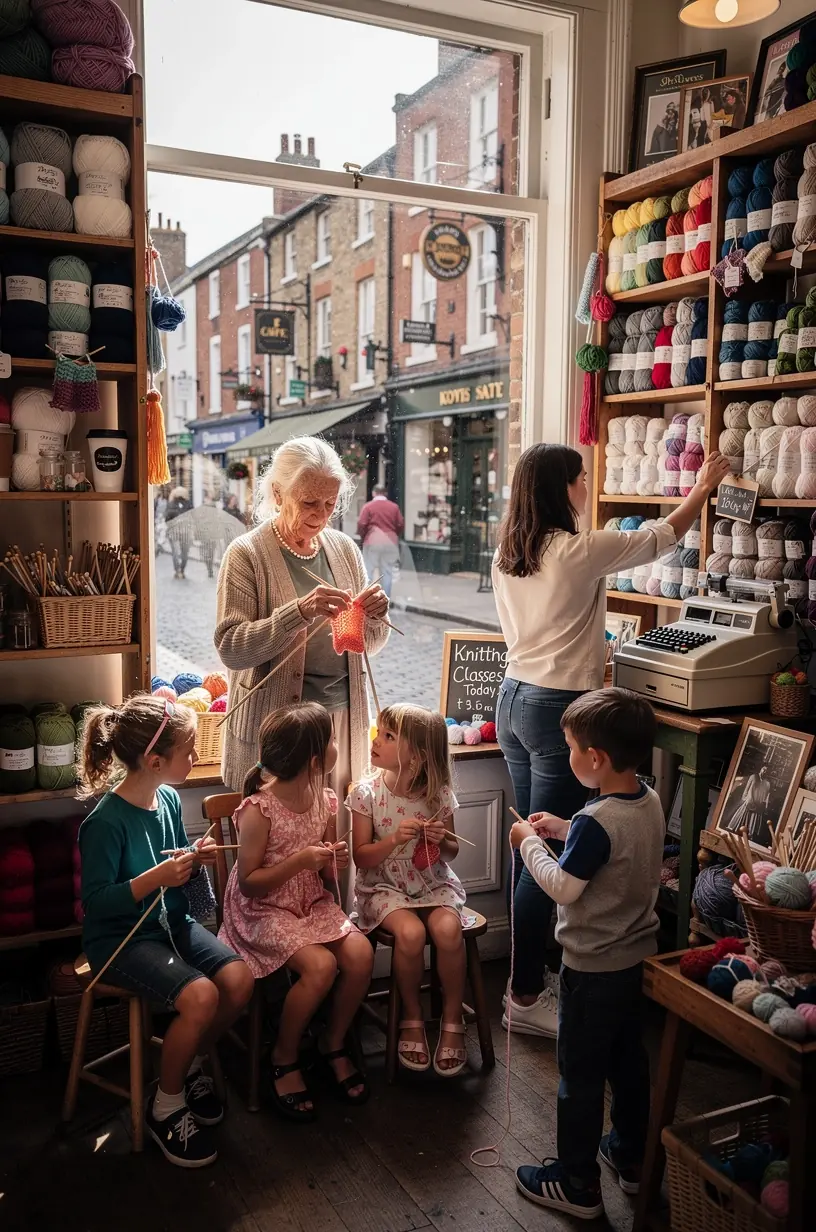
- Acrylic: A synthetic fiber, often favored for its affordability and wide range of colors. Many users report that acrylic yarn is durable and easy to care for, making it a popular choice for beginners.
- Wool: A natural fiber known for its warmth and elasticity. Experts recommend wool for projects requiring stretch, such as sweaters and hats. However, it may not be suitable for those with wool allergies.
- Cotton: Often chosen for its breathability and softness, cotton yarn is ideal for summer garments and dishcloths. Research indicates that cotton can produce crisp stitches, making it a favorite among knitters for certain textures.
Choosing Yarn Weight
The weight of the yarn is another critical factor to consider. Yarn weight refers to the thickness of the yarn and affects how your final project will look and feel. The Craft Yarn Council categorizes yarn into several weights:
- Lace: Very fine yarn typically used for delicate projects like shawls.
- Worsted: A medium weight ideal for sweaters and blankets.
- Bulky: Thick yarn that works up quickly, suitable for cozy items like scarves and blankets.
In most cases, following the pattern's recommended yarn weight can help you achieve the desired outcome. However, mixing weights can create interesting textures if you're experienced.
Color and Texture Considerations
When it comes to color, personal preference plays a significant role. However, it’s essential to consider how the color will interact with the yarn's texture. For example, a highly textured yarn might obscure intricate stitch patterns, while a smooth yarn allows for detailed designs to stand out. Experts suggest testing swatches to see how colors appear in different lighting conditions.
Environmental Impact
As sustainability becomes more important, many knitters are considering the environmental impact of their yarn choices. Natural fibers like wool and cotton are often biodegradable, while synthetic fibers may contribute to plastic pollution. Research indicates that opting for ethically sourced or organic materials can lessen your environmental footprint.
Practical Steps for Choosing Yarn
Here are some actionable steps to help you select the right yarn for your next project:
- Identify Your Project: Determine what you’re making, as different projects have varying requirements.
- Research Yarn Fibers: Understand the characteristics of different materials to select one that suits your needs.
- Check the Weight: Match the yarn weight with your pattern to ensure proper results.
- Consider Color and Texture: Choose colors and textures that enhance your design and suit the project’s purpose.
- Test Swatches: Always knit a small swatch to see how the yarn behaves, including how it holds stitches and drapes.
Conclusion
Choosing the right yarn for knitting is a blend of understanding materials, weights, colors, and textures. By following these insights and practical steps, you can elevate your knitting experience and produce beautiful, lasting projects. Remember that experimentation is part of the journey, and with practice, you will refine your preferences and skills.
Learn More