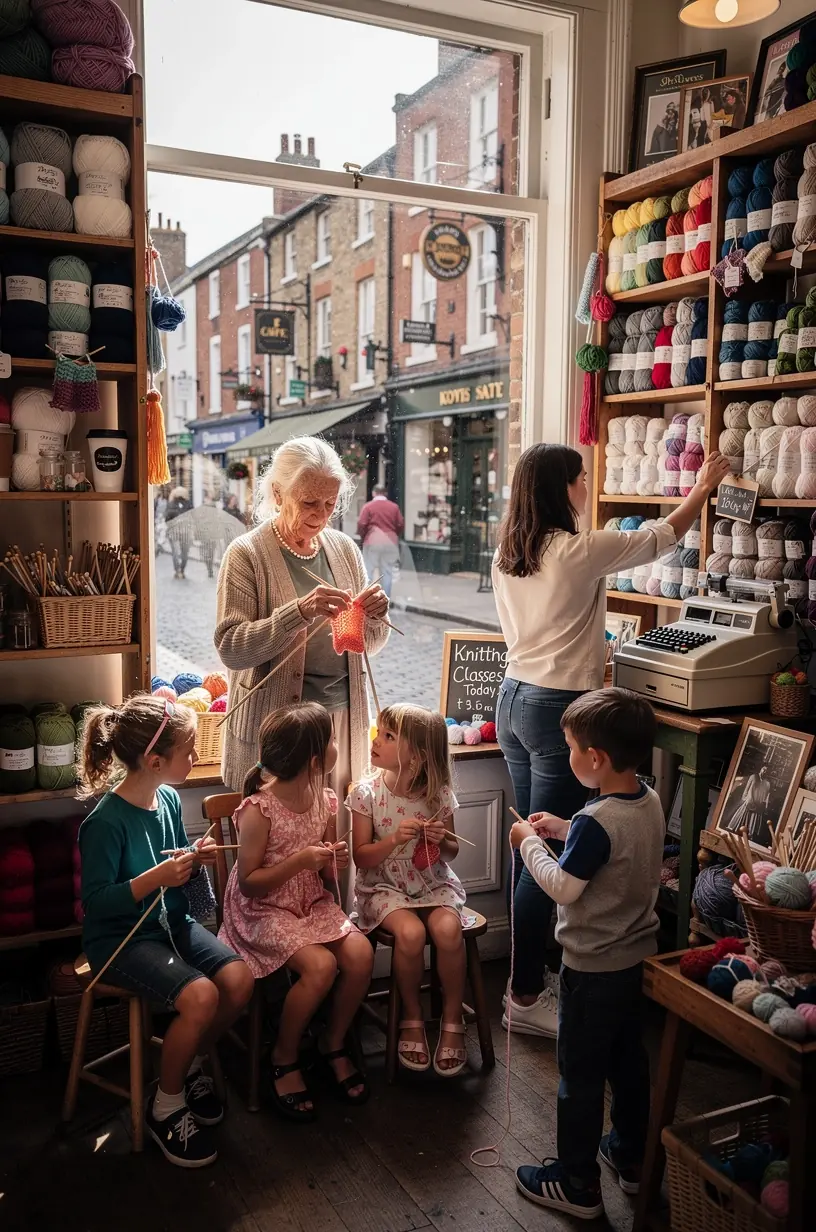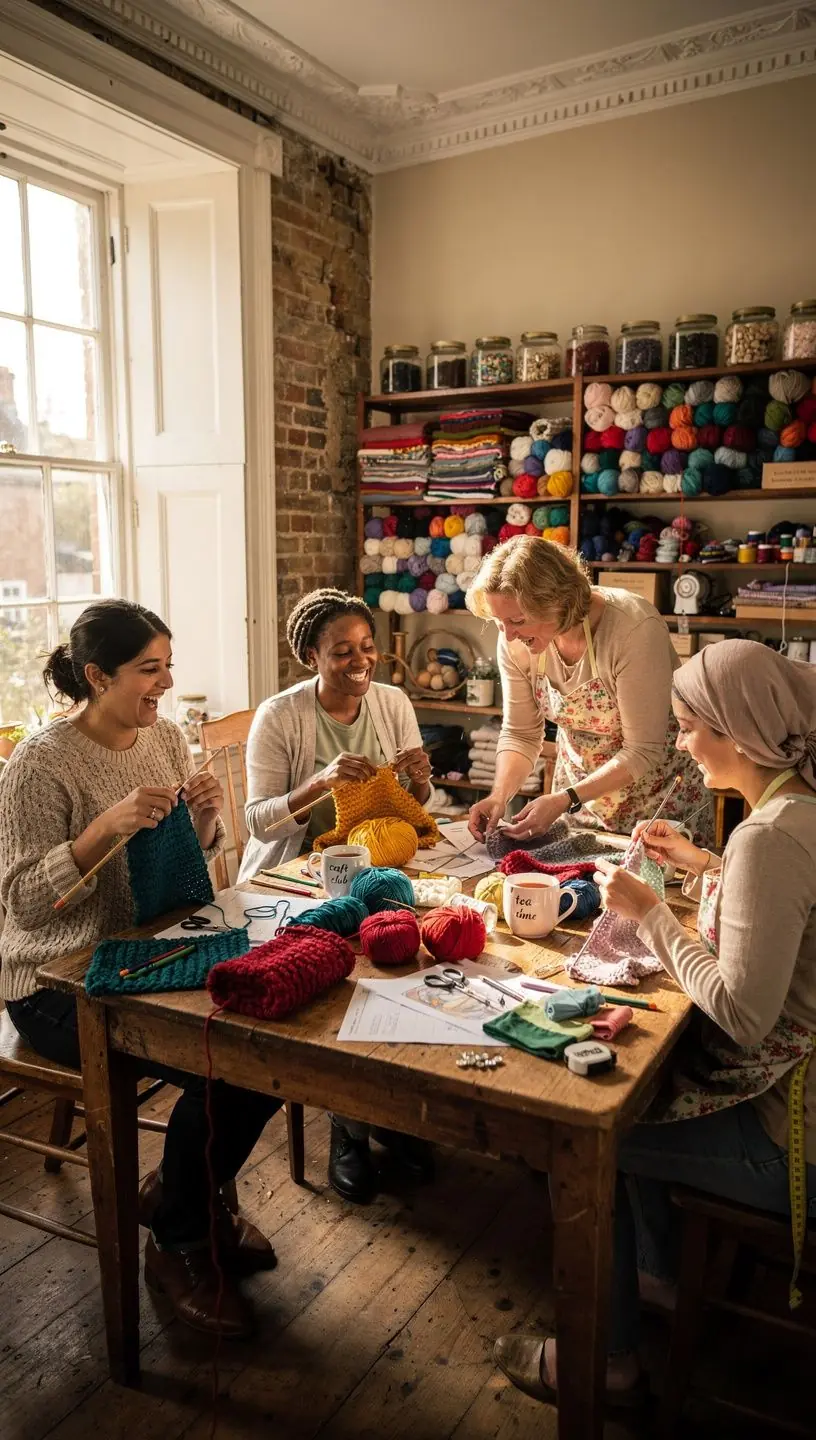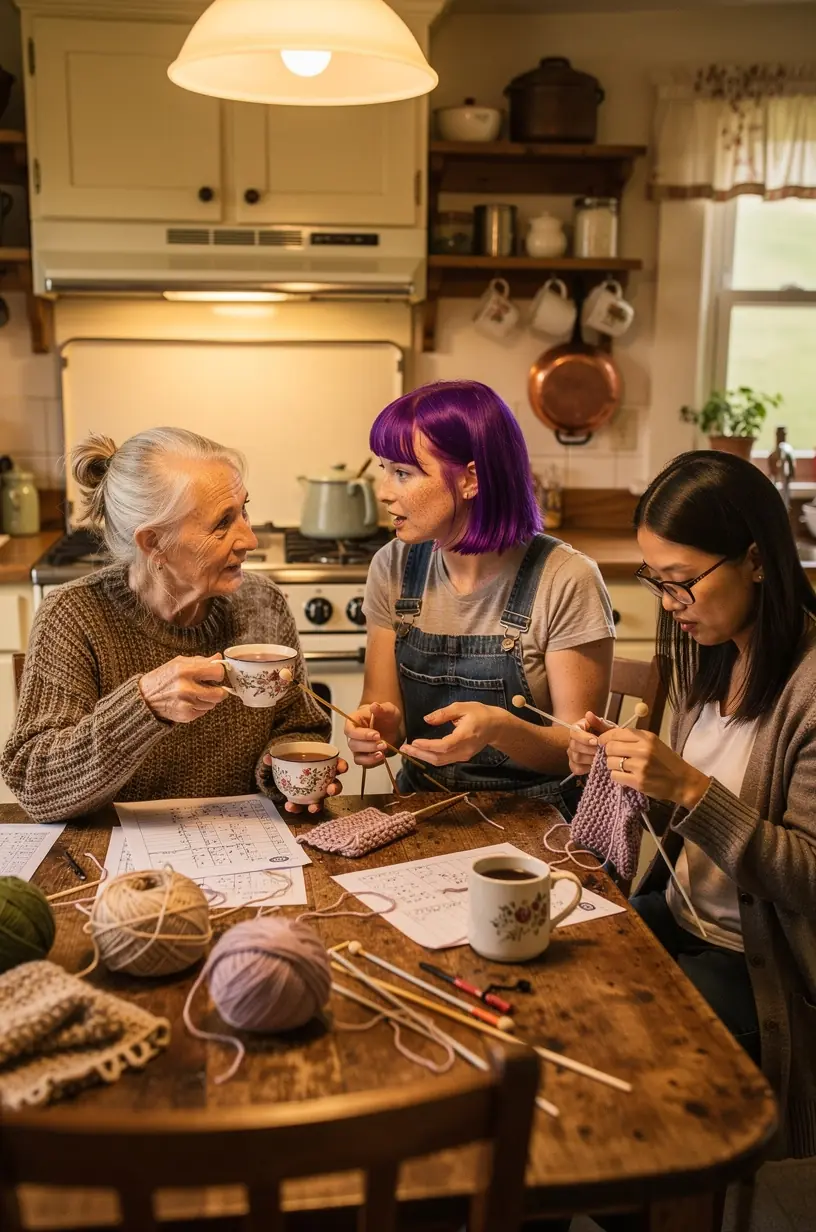
Exploring the History of Textiles and Craftsmanship in Great Britain
The rich history of textiles and craftsmanship in Great Britain reflects a tapestry woven with tradition, innovation, and cultural significance. Understanding this history not only enriches our appreciation of craftsmanship but also informs contemporary practices in knitting and sewing, particularly in workshops dedicated to these arts.
The Origins of Textile Craft in GB
The roots of textile craftsmanship in Great Britain can be traced back to ancient times. According to historical accounts, the prehistoric inhabitants of Britain used natural fibers such as wool and linen to create clothing and household items. The development of textile production techniques saw significant advancements during the Roman invasion, which introduced new materials and weaving techniques.
Medieval Innovations and the Rise of the Guilds
During the medieval period, the establishment of guilds played a crucial role in the textile industry. These guilds regulated the craft, ensuring quality and consistency in production. Research indicates that by the 14th century, English wool was highly sought after across Europe, leading to the flourishing of local economies. The guilds provided training and resources, fostering a community of skilled artisans.
"The significance of these early guilds cannot be overstated; they set the foundation for today's textile practices and education." - Textile historian, Dr. Sarah Reynolds
The Industrial Revolution: A Turning Point
The Industrial Revolution marked a pivotal change in textile manufacturing. Mechanization led to increased production rates and the growth of factory systems. According to industry studies, this period saw a shift from handmade to machine-made textiles, significantly altering the landscape of craftsmanship. While this innovation increased accessibility to fabrics, it also posed challenges to traditional artisans, many of whom adapted their skills to remain relevant.
The Revival of Handcrafted Techniques
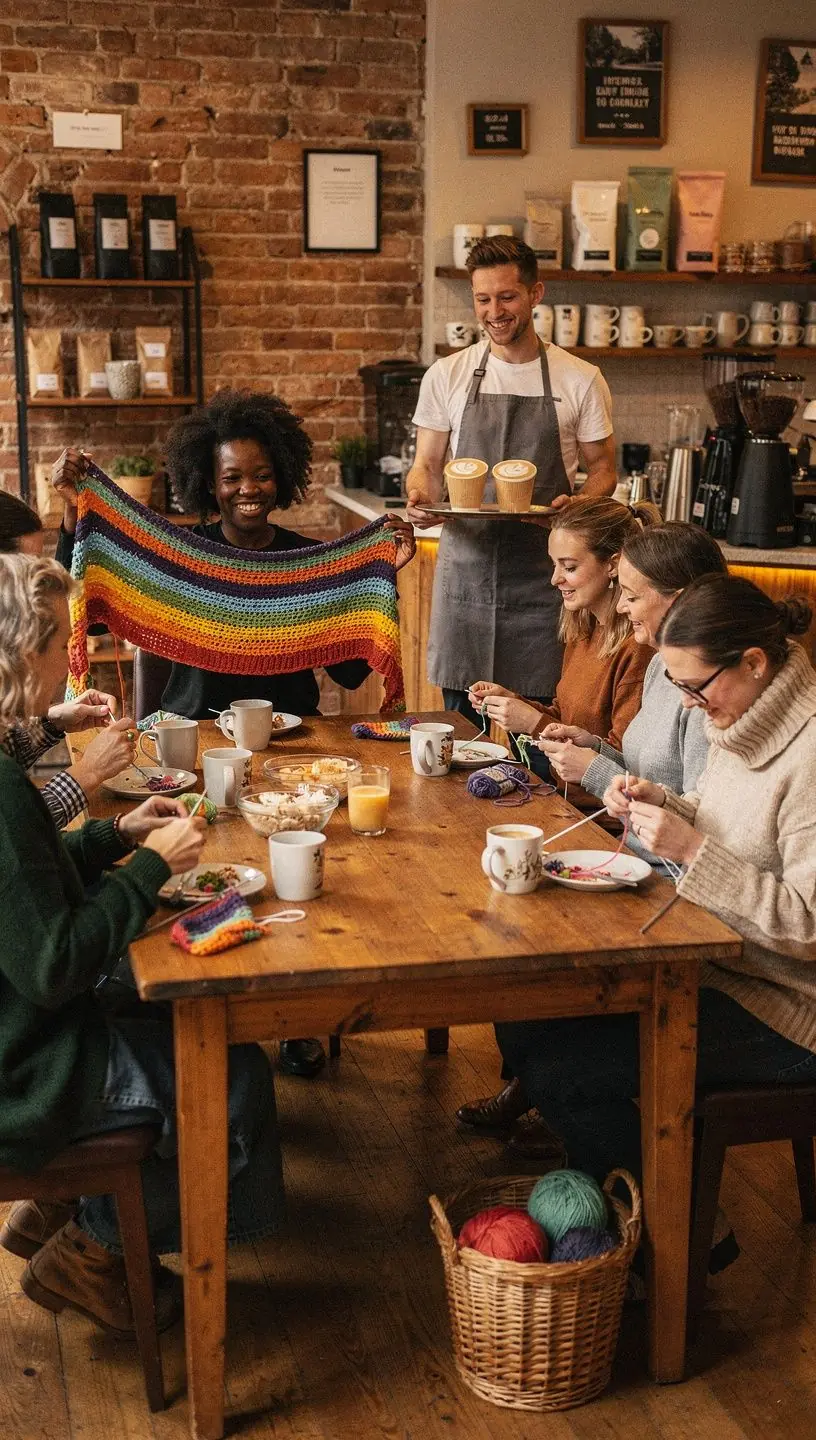
In recent decades, there has been a notable resurgence in interest toward handcrafted textiles. Many users report that participating in craft workshops can help them reconnect with traditional methods while also learning about contemporary applications. This revival emphasizes not only the art of crafting but also its therapeutic benefits, as studies suggest that engaging in hands-on activities can reduce stress and enhance mental well-being.
Practical Implications for Today’s Craft Workshops
For those interested in exploring textile crafts, several key aspects can enhance the learning experience:
- Hands-On Learning: Workshops typically involve guided instruction, allowing participants to practice techniques under the supervision of experienced artisans. This approach is vital for mastering skills.
- Material Knowledge: Understanding the properties of different fabrics is essential. Workshops often provide materials that reflect sustainable practices, which are becoming increasingly popular.
- Cultural Context: Many workshops incorporate the history of textile crafts, offering participants a deeper appreciation for their work. This contextual knowledge can enhance creativity and skill development.
Conclusion
The history of textiles and craftsmanship in Great Britain is a testament to human ingenuity and adaptation. As we explore these rich traditions through modern workshops, we not only preserve the legacy of our forebears but also inspire future generations of artisans. Engaging in these crafts typically requires a commitment of time and effort, but the educational value and personal satisfaction derived from creating something unique can be profoundly rewarding. Whether you are a novice or an experienced crafter, the journey into textile arts is one that offers endless possibilities.
Learn More